


-

Add: HeBei ShengShi HongBang Cellulose Technology CO.,LTD.
-

Email
13180486930@163.com -

CONTACT US
+86 13180486930



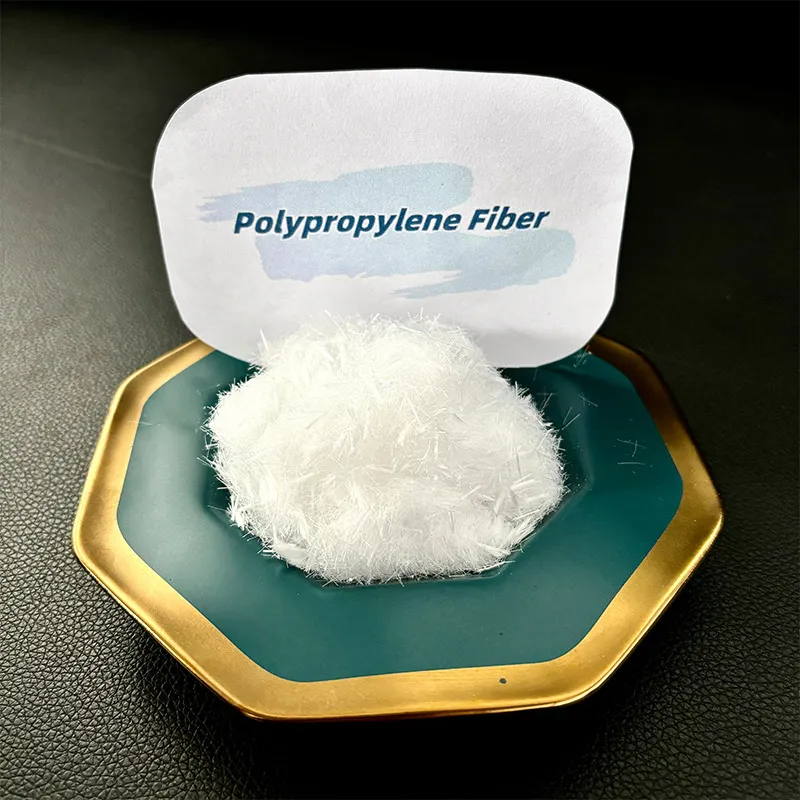
Understanding Polypropylene Fibers for Concrete Slabs Enhancing Durability and Performance In the realm of construction, the search for materials that enhance the durability and overall performance of concrete structures is a constant pursuit. Among various innovative solutions, polypropylene fibers have emerged as an effective reinforcement medium, particularly in the context of concrete slabs or soleras. This article explores the characteristics, benefits, applications, and considerations of using polypropylene fibers in concrete mixtures, shedding light on their significance in modern construction. What are Polypropylene Fibers? Polypropylene fibers are synthetic fibers derived from the polymerization of propylene monomers. These fibers are lightweight, resistant to chemical degradation, and have excellent tensile strength. Due to their inherent properties, they have been increasingly used in various construction applications, particularly as additives in concrete mixes. When integrated into concrete, polypropylenes create a three-dimensional matrix that enhances the material's integrity. Benefits of Using Polypropylene Fibers in Concrete Slabs 1. Reduced Cracking One of the primary advantages of incorporating polypropylene fibers into concrete slabs is the significant reduction in plastic and shrinkage cracking. Concrete is susceptible to cracking as it cures due to temperature variations and drying shrinkage. Polypropylene fibers help to distribute stress more evenly, effectively reducing the likelihood of cracks forming. 2. Improved Impact Resistance The addition of polypropylene fibers enhances the impact resistance of concrete slabs. This is particularly beneficial in applications where heavy loads or foot traffic are expected, such as industrial floors, warehouses, and parking garages. The fibers absorb and dissipate energy during impact, reducing damage and extending the lifespan of the flooring. 3. Enhanced Durability Polypropylene fibers contribute to the long-term durability of concrete. They help to mitigate the adverse effects of environmental factors such as freeze-thaw cycles, moisture penetration, and the corrosive actions of de-icing salts. This is crucial for structures exposed to harsh environmental conditions. 4. Lightweight and Cost-effective Compared to traditional steel reinforcement methods, polypropylene fibers are lightweight and generally more cost-effective . Their ease of incorporation into the mixing process minimizes labor costs and simplifies transportation and handling. 5. Aesthetic Benefits When polypropylene fibers are used in concrete mixtures, they can help provide a more uniform and aesthetically pleasing finish. The fibers can be evenly dispersed throughout the concrete, contributing to a consistent appearance and reducing surface imperfections. fibras de polipropileno para solera Applications in Concrete Construction Polypropylene fibers are versatile and can be used in various concrete applications. Some notable examples include - Industrial Floors In warehouses and factories, durable floors that can withstand heavy machinery and foot traffic are essential. Polypropylene fibers enhance the robustness of these slabs, reducing maintenance costs and downtime due to repairs. - Decorative Concrete In decorative concrete applications, such as stamped or colored concrete, polypropylene fibers can improve the structural integrity while allowing for creative design without compromising strength. - Pavements and Sidewalks The addition of polypropylene fibers to pavements and sidewalks helps to increase their lifespan, reduce maintenance, and improve overall performance against environmental stressors. Considerations for Use While polypropylene fibers offer numerous benefits, several considerations should be taken into account. Proper dosage is crucial; excessive amounts may lead to workability issues during mixing and placement. It is also essential to ensure that the selected fibers are compatible with the specific concrete mix design and any other additives being used. Furthermore, thorough testing should be conducted to understand how polypropylene fibers will interact with the specific conditions of the intended application, including environmental exposure and load requirements. Collaborating with concrete specialists can help optimize the use of polypropylene fibers for desired outcomes. Conclusion In conclusion, the integration of polypropylene fibers in concrete slabs presents a myriad of benefits that enhance performance, durability, and aesthetic appeal. As construction continues to evolve, the adoption of such innovative materials will be paramount in meeting the demands of modern infrastructure. With ongoing research and development, polypropylene fibers stand to play a significant role in improving concrete technology, ensuring stronger, more resilient structures for the future. Embracing these advancements not only promotes economic efficiency but also plays a vital role in sustainable building practices.
- 40000tons

Production
- 20+years

Experience
- 5000+㎡

Acreage

-
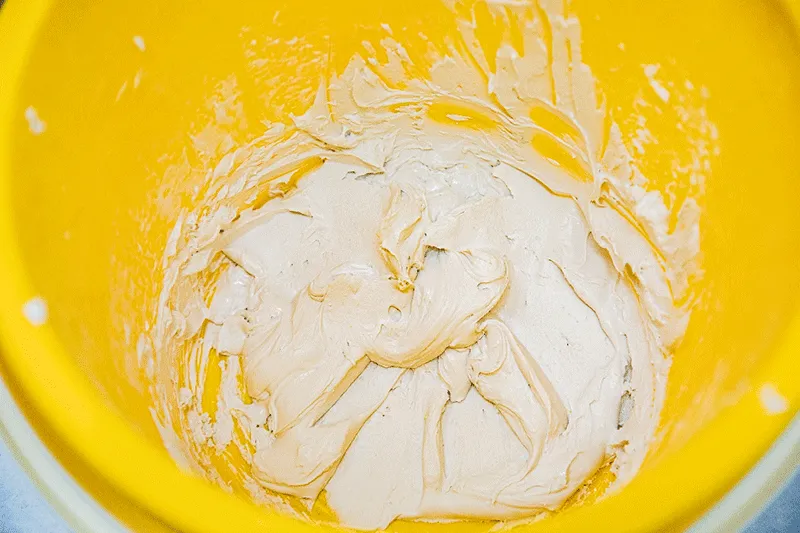
Hydroxypropyl methylcellulose (HPMC) is an exceptional multifunctional ingredient that finds various applications in the cosmetics industry . Renowned for its versatility, HPMC serves as a thickening agent, emulsifier, film former, and stabilizer, making it indispensable in the formulation of numerous beauty and personal care products. One of the most common uses of HPMC in cosmetics is as a thickening agent. Its unique ability to increase viscosity without impacting the appearance of products ensures a smooth application and uniform texture, which is crucial in products like creams, lotions, and gels. For instance, in facial moisturizers, HPMC adds a silky, luxurious feel, enhancing consumer experience while providing optimum hydration through a controlled release mechanism that ensures prolonged moisture retention on the skin. When it comes to emulsification, HPMC ensures that oil and water-based ingredients blend seamlessly in products such as foundations and sunscreens. This results in a stable emulsion that not only looks aesthetically pleasing but also enhances product performance by preventing the separation of ingredients over time. Customers can thus rely on a consistent product experience with every use, reflecting the brand's commitment to quality. HPMC's role as a film former is especially valuable in hair care products like styling sprays and gels. By forming a thin, invisible layer over the hair, it provides a protective barrier that shields the hair from environmental aggressors while maintaining style longevity. Consumers seeking long-lasting hold notice the difference that HPMC brings, as it effectively manages frizz without the undesirable crunchy or sticky residue commonly associated with some styling products. hydroxypropyl methylcellulose uses in cosmetics The stabilizing properties of HPMC are equally beneficial in maintaining the efficacy and shelf-life of cosmetics. It prevents ingredient degradation by acting as a preservative adjunct, thereby protecting sensitive active ingredients interspersed in formulations such as anti-aging serums and eye creams. This stabilization not only safeguards the product's effectiveness but also supports streamlined manufacturing processes, reducing the need for additional preservatives that could disrupt skin compatibility. Incorporating HPMC in formulation speaks to a brand’s expertise in developing advanced cosmetic solutions. Its multifunctional nature aligns perfectly with modern consumer demands for high-quality, performance-driven beauty products. Laboratories involved in product design value HPMC for its non-irritating, biocompatible nature, which minimizes adverse reactions, making products suitable even for those with sensitive skin. As an authoritative choice for cosmetic formulators seeking reliable and innovative solutions, Hydroxypropyl methylcellulose continues to be integral in shaping the future of cosmetics. Its adaptability and functionality firmly position it as an ingredient that not only meets but exceeds consumer expectations, ensuring that brands leveraging its qualities maintain a competitive edge in the ever-evolving beauty landscape.
-
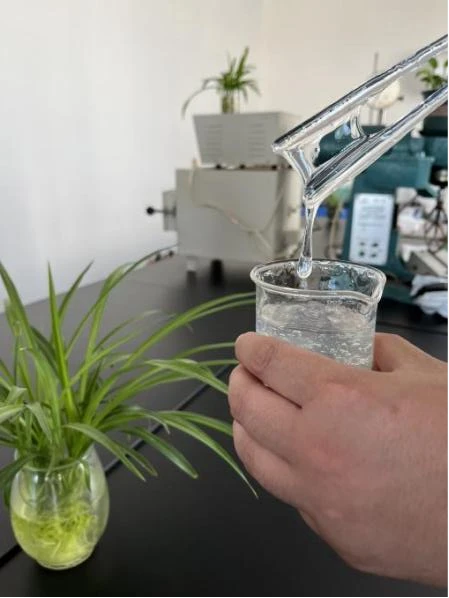
Hydroxypropyl methylcellulose (HPMC) is a versatile, eco-friendly ingredient . This cellulose derivative is known for its exceptional performance in construction. Its unique properties, such as water retention, adhesion, and thickening ability, make it an essential component for improving the quality and durability of products. Whether you're working on building materials, tile adhesives, or wall coatings, hydroxypropyl methylcellulose can elevate the performance and efficiency of your materials. Discover the many benefits of hydroxypropyl methylcellulose and see how it can enhance your business operations. Hydroxypropyl Methylcellulose Uses in Construction In the construction industry, hydroxypropyl methylcellulose uses are critical to improving the quality and performance of building materials. HPMC is widely used in cement-based products such as tile adhesives, plaster, and grout due to its excellent water retention, enhanced workability, and extended open time. By incorporating hydroxypropyl methylcellulose into your construction materials, you can improve adhesion, reduce cracking, and increase the durability of your products. Hydroxypropyl methylcellulose uses in construction also include its role as a binder and thickener in paints and coatings, where it helps create a smooth, consistent finish. Enhance your construction projects with the superior properties of hydroxypropyl methylcellulose . Find the Best Hydroxypropyl Methylcellulose Price for Your Budget When looking for hydroxypropyl methylcellulose price , it’s important to find a supplier that offers high-quality products at competitive rates. The hydroxypropyl methylcellulose price can vary depending on the grade, quantity, and application, but you can trust us to provide transparent pricing that fits your budget. Our prices reflect the quality and reliability of the material, ensuring that you get the best value for your investment. Whether you need small quantities or large volumes, we offer affordable solutions without compromising on quality. Contact us today to learn more about our hydroxypropyl methylcellulose price and how we can support your projects. Reliable Hydroxypropyl Methylcellulose Suppliers for Your Needs Finding trustworthy hydroxypropyl methylcellulose suppliers is crucial for ensuring the success of your projects. As one of the leading hydroxypropyl methylcellulose suppliers , we provide a wide range of high-quality HPMC products designed to meet the diverse needs of various industries. Our hydroxypropyl methylcellulose is sourced from reputable manufacturers and undergoes rigorous quality control to ensure consistency and performance. Whether you're in construction, pharmaceuticals, or another industry, we are your go-to partner for reliable, top-grade HPMC. With our fast delivery, competitive pricing, and expert customer service, we make sourcing hydroxypropyl methylcellulose easy and hassle-free. Why Choose Us for Your Hydroxypropyl Methylcellulose Needs? When it comes to hydroxypropyl methylcellulose , you need a supplier you can trust. We are committed to providing the highest quality HPMC products at the best hydroxypropyl methylcellulose price . Our expertise in the field ensures that we meet the specific requirements of our customerss. As leading hydroxypropyl methylcellulose suppliers , we offer a wide range of grades to suit your needs, backed by excellent customer support and fast, reliable shipping. Choose us for all your hydroxypropyl methylcellulose requirements and experience the difference in quality, price, and service.
advantages
-

200000 Viscosities
Excellent product
We can produce pure products up to 200,000 viscosities
-

40000 tons
High yield
We don’t stop production all year round, and the annual output can reach 40,000 tons
-

24 hours
Quality service
We provide 24-hours online reception service, welcome to consult at any time
———— Inquiry Form
Schedule A services

- fibre_de_polypropylene_pour_beton
Oct . 25, 2025
Concrete polypropylene fibers have revolutionized the construction landscape, offering an innovative -
 adding_rebar_to_concrete
Oct . 25, 2025
Hydroxypropyl methylcellulose (HPMC), also known as hypromellose, is a versatile compound used in va -
 hpmc_cas
Oct . 25, 2025
HPMC K 100 M, short for Hydroxypropyl Methylcellulose, is a versatile polymer widely used across ind


